John Mayer Practice Routine: How He Practices Guitar
Discover John Mayer's guitar practice routine based on interviews and masterclasses. Learn his approach to technique, improvisation, and musical expression.
John Mayer Practice Routine: How He Practices Guitar
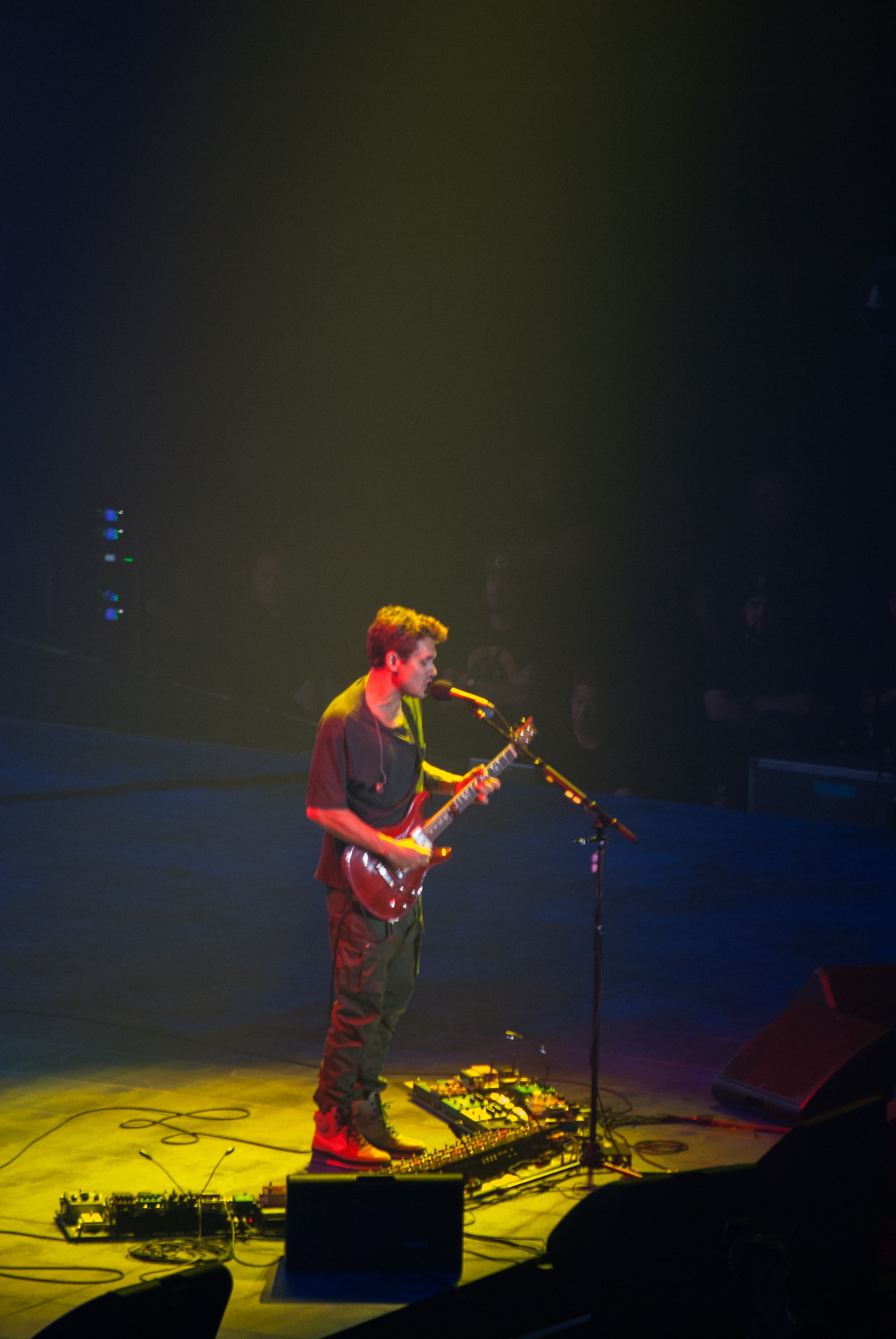
John Mayer is one of the most respected guitarists of his generation, known for his soulful blues playing, impeccable technique, and ability to make the guitar "sing." From his early acoustic work to his collaborations with Dead & Company, Mayer has developed a distinctive style that blends blues, pop, and rock influences.
In this article, you'll learn:
- John Mayer's practice philosophy
- His typical practice schedule
- Key techniques he focuses on
- A sample 60-minute routine based on his approach
John Mayer's Practice Philosophy
In numerous interviews and masterclasses, Mayer has shared his thoughts on practice and guitar playing. His approach emphasizes:
1. Feel Over Speed
"I'd rather play one note that makes someone cry than 100 notes that make them yawn." — John Mayer
Mayer prioritizes emotional expression over technical fireworks. While he can certainly shred when needed, his playing is defined by space, dynamics, and emotional connection.
2. Slow Is Smooth, Smooth Is Fast
Mayer often talks about the importance of slowing down to master new material. He practices difficult passages slowly until they're completely clean, then gradually increases tempo.
3. Playing With Intention
Every note should have a purpose. Mayer emphasizes listening to what you're playing rather than just executing muscle memory. Each phrase should tell a story.
4. Learning From the Masters
Mayer is a devoted student of blues legends like B.B. King, Albert King, Stevie Ray Vaughan, and Jimi Hendrix. He's spent countless hours transcribing and analyzing their playing.
John Mayer's Typical Practice Schedule
Based on interviews and observations, here's how Mayer structures his practice:
| Session | Focus | Duration | |---------|-------|----------| | Morning | Technique warmup, chord voicings | 30-45 min | | Afternoon | Song learning, improvisation | 1-2 hours | | Evening | Playing for pleasure, writing | 1+ hour |
Key Elements of His Practice
Pentatonic Mastery: Mayer is a master of the minor pentatonic and blues scales. He practices them in all positions, focusing on bends, vibrato, and phrasing.
Chord Voicings: Known for his sophisticated chord work, Mayer spends time on jazz voicings and triads across the neck.
Dynamics Control: Playing the same phrase at different volumes and intensities is a core part of his practice.
Transcription: He regularly transcribes solos from his heroes, learning not just the notes but the feel and timing.
Key Techniques John Mayer Focuses On
1. Vibrato
Mayer's vibrato is one of his most recognizable traits—wide, expressive, and perfectly controlled. He practices vibrato on single notes, focusing on:
- Width (how far the note bends)
- Speed (how fast the oscillation)
- Consistency (keeping it even throughout)
2. Bending
String bending is central to blues guitar. Mayer practices:
- Half-step, whole-step, and 1.5-step bends
- Pre-bends (bending before picking)
- Unison bends (bending to match another string)
- Bending with vibrato at the top
3. Hybrid Picking
Mayer frequently uses hybrid picking (pick + fingers) for:
- Country-style licks
- Chord-melody playing
- Faster runs with better articulation
4. Slow Hand
Taking inspiration from Eric Clapton's nickname, Mayer practices playing slowly—focusing on timing, space, and letting notes breathe.
Sample 60-Minute John Mayer-Inspired Routine
Here's a practice routine based on Mayer's approach:
Warmup (10 minutes)
- 5 min: Chromatic exercises with focus on clean fretting
- 5 min: Pentatonic scale patterns in all 5 positions
Technique Work (20 minutes)
- 7 min: Vibrato exercises on single notes (practice width and speed)
- 7 min: Bending exercises (half, whole, 1.5 steps)
- 6 min: Hybrid picking patterns
Musical Application (20 minutes)
- 10 min: Learn/transcribe a John Mayer solo (suggestions below)
- 10 min: Practice the solo focusing on feel, not just notes
Improvisation (10 minutes)
- 10 min: Improvise over a 12-bar blues backing track
- Focus on space and dynamics
- Use pauses intentionally
- Aim for emotional expression over speed
Essential John Mayer Solos to Learn
- "Gravity" – The ultimate showcase of his vibrato and bending
- "Slow Dancing in a Burning Room" – Emotional phrasing masterclass
- "Bold as Love" (Hendrix cover) – Technical yet expressive
- "Belief" – Blues-rock soloing with dynamics
- "Free Fallin'" (Live at Nokia Theatre) – Extended improvisation
Gear John Mayer Uses
While gear doesn't make the player, understanding Mayer's setup can help replicate his tone:
Guitars
- Fender Custom Shop Stratocasters
- PRS John Mayer Silver Sky (his signature model)
- Martin acoustic guitars
Amps
- Two-Rock amplifiers
- Dumble Overdrive Special (legendary)
- Fender amps for clean tones
Effects
- Ibanez Tube Screamer
- Klon Centaur (or Klone)
- Strymon timeline and reverb pedals
Frequently Asked Questions
How many hours a day does John Mayer practice?
In interviews, Mayer has mentioned practicing 4-6 hours daily during his formative years. As a professional, he plays regularly but balances practice with writing, performing, and touring.
What guitar should I use to sound like John Mayer?
A Stratocaster-style guitar is essential for his signature tone—the single-coil pickups provide the clarity and "quack" in his sound. His PRS Silver Sky is designed to be the ultimate Strat-style guitar.
How long did it take John Mayer to get good?
Mayer started playing at 13 and was already exceptional by his late teens. He practiced intensively for years before his breakthrough. Remember: everyone's timeline is different.
What's the most important technique to learn from John Mayer?
Vibrato and bending. These two techniques define his sound more than anything else. Practice them slowly and deliberately.
Practice Like John Mayer on RiffRoutine
Want to follow a structured practice routine inspired by John Mayer's approach? RiffRoutine offers blues and feel-focused practice routines with progress tracking.
What you'll practice:
- Pentatonic mastery in all positions
- Vibrato and bending techniques
- Dynamics and expression
- Blues improvisation
Tags
Recommended Practice Tools
Free apps to help you practice what you just learned

Guitar Progression Generator
Generate infinite chord progressions for any style and key

Scale Master Guitar
Master every scale with visual fretboard patterns and positions


Polyrhythmic Metronome
Master complex polyrhythmic patterns and odd time signatures
Get All 4 Apps Free with Elite
Guitar Progression Generator + Scale Master Guitar + Ear N Play + Polyrhythmic Metronome
Over $160 in app value — included in your $14.99/mo Elite subscription
Get Your Free AI Practice Routine
Tell us your skill level, goals, and available time — our AI builds a personalized 7-day practice plan in seconds.
Generate My RoutineRelated Articles
Eric Clapton Practice Routine: How Slowhand Mastered the Blues
Discover Eric Clapton's practice routine and blues guitar technique. Learn how Slowhand developed his legendary tone, vibrato, and emotional playing through dedicated practice.
Steve Vai Practice Routine: The Legendary 10-Hour Guitar Workout
Discover Steve Vai's famous 10-hour guitar workout and practice philosophy. Learn the exact exercises and techniques that shaped one of rock's greatest virtuosos.
Guthrie Govan Practice Routine: The Modern Virtuoso's Approach
Discover Guthrie Govan's practice philosophy and improvisation techniques. Learn how one of today's greatest guitarists balances technique with musical creativity.